- Sustainably source 100% of our cotton, viscose, and wool by 2025 and 100% of polyester by 2030.
- All our products will contribute to the circular economy throughout the product lifecycle (design, use, and end of life) by 2030.

- Sustainably source 100% of our cotton, viscose, and wool by 2025 and 100% of polyester by 2030.
- All our products will contribute to the circular economy throughout the product lifecycle (design, use, and end of life) by 2030.
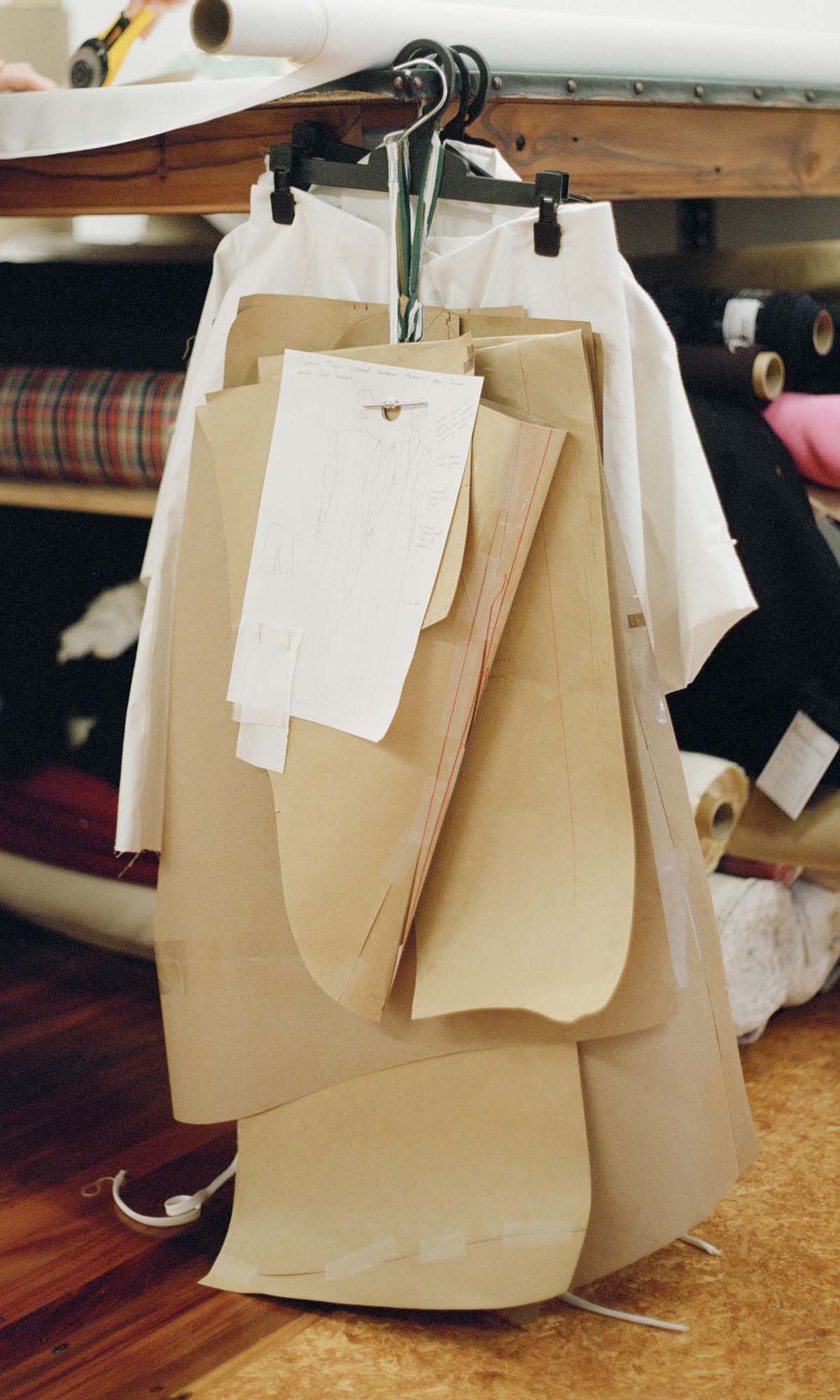
We aim to follow circular economy principles, designing products that are used more, made to be made again and made from recycled or renewable inputs. By building a circular design framework that prioritizes durability and recyclability, using regenerative and recycled materials and improving our production practices, we are working to increase our sustainability performance.
Our focus includes responsibly sourcing cotton, viscose, wool, and polyester, and expanding the use of environmentally preferred materials. We’re committed to providing transparency about the work we do, allowing our customers to be better informed about our products and helping to drive positive change across the fashion industry.

How we’re doing
Using a data-driven approach, we are working collaboratively across the organization and are on track to hit our target of 100% sustainably sourced cotton, wool and viscose for orders placed in 2025.
Since 2022, Tommy Hilfiger in Europe has achieved brand certification annually against six Textile Exchange standards.
We are scaling the use of recycled and regenerative materials in our products. In 2024, 40% of the cotton used in our products was from regenerative or recycled sources.
We are continuing the collaboration to use CIRCULOSE® in our products, an innovative material made using 100% textile waste (pre- and post-consumer), introducing additional styles in 2024.
Based on circular.fashion’s Circular Design Criteria standard, we are developing tailored circular design guidelines which will be rolled out to all designers and product developers by 2026.
In 2025, we joined the “Closing the Footwear Loop” Fashion for Good initiative which brings together leading fashion brands to help tackle the complex challenges of circularity in the footwear industry.
Materials and Innovation
Learn more about the preferred materials and innovations we use to reduce
environmental footprint and support circular fashion.